Theme · In-depth study
The Divine Identity of Christ
Jesus, YHWH, and the Mystery of the Trinity
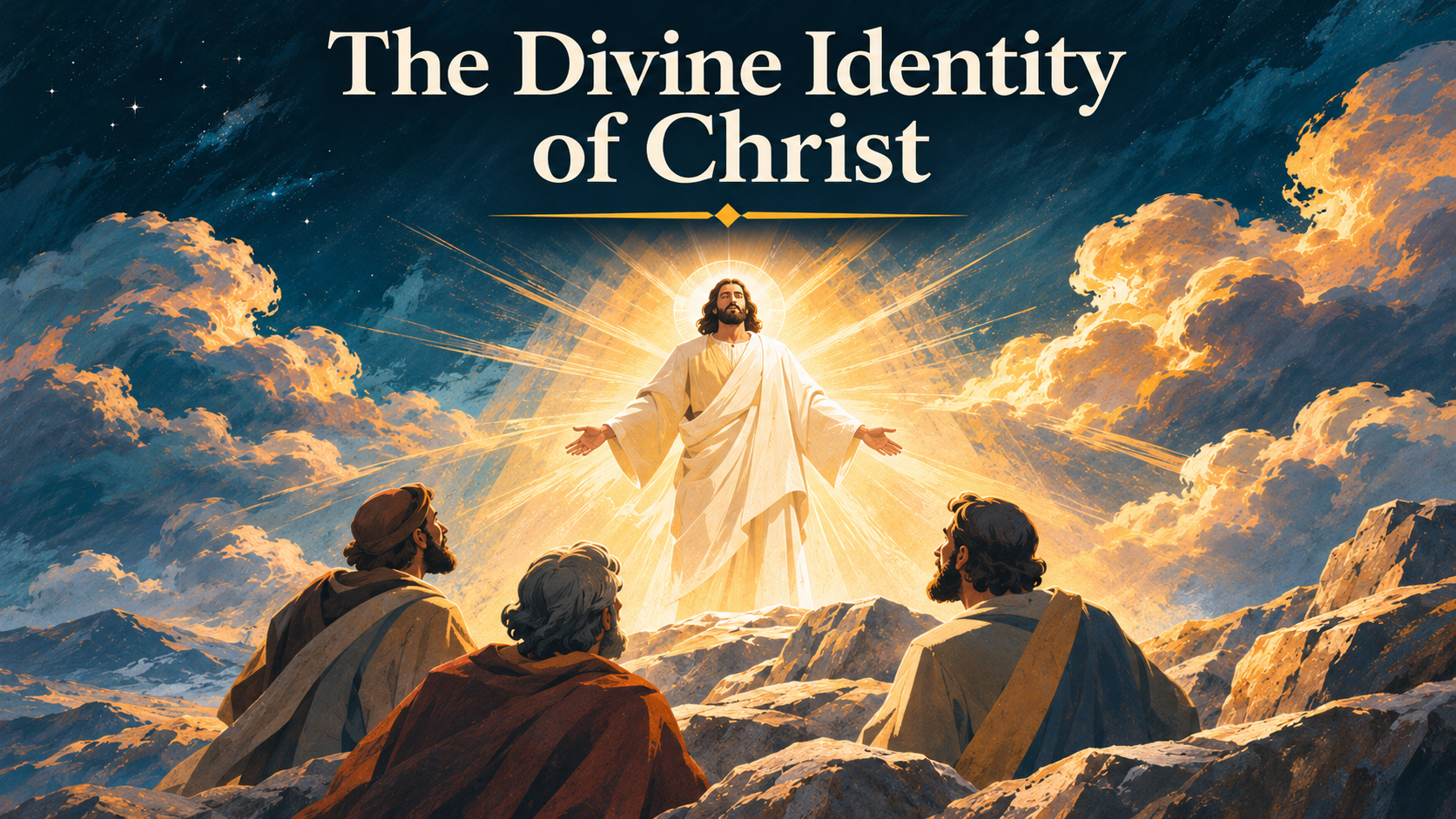
How does Scripture reveal Jesus as fully divine while distinguishing Him from the Father?
The Bible declares that there is only one God, the LORD who created heaven and earth. Yet the New Testament speaks of Jesus Christ in extraordinary ways. It calls Him God, identifies Him as Creator, applies Old Testament passages about YHWH to Him, and describes Him receiving the honor that belongs to God alone. How can Jesus be truly God while remaining distinct from the Father? And how does the Holy Spirit belong within this confession of one God?
This study follows the biblical evidence in order: Israel’s confession of the one God, the divine name and titles, John’s Gospel, the apostles’ use of the Old Testament, creation, worship, and the relationship of Father, Son, and Spirit. It then listens to the earliest Christian witnesses and the councils that defended this confession. Along the way it distinguishes what a passage says directly from what Christians conclude from the whole of Scripture.
The Son is not the Father. He is not a created messenger promoted to deity. His real human life, prayer, obedience, and enduring relationship to the Father belong within the explanation rather than being treated as exceptions. The Holy Spirit completes the fully Trinitarian confession.
The central teaching
Jesus Christ is the eternal, uncreated Son who shares the one undivided divine nature and identity of YHWH with the Father and the Holy Spirit. Personally distinct from the Father, He became genuinely and enduringly human without ceasing to be divine, to reveal God and accomplish our salvation.
Chapter 1
The Central Question: Is Jesus YHWH?
The question is not whether Jesus is impressive, inspired, or more powerful than other heavenly beings. It is whether the Son belongs on the Creator’s side of the distinction between God and everything God made. Israel’s Scriptures insist that YHWH alone is God. The New Testament maintains that conviction while speaking of Jesus in ways that belong to God Himself.
Read chapter →Chapter 2
Biblical Monotheism: The LORD Is One
The Christian confession begins inside Israel’s insistence that the LORD alone is God. Jesus affirms, rather than replaces, the Shema. We should understand that confession in its own setting before asking how the apostles speak of the Father and the Son.
Read chapter →Chapter 3
The Divine Name: What Does YHWH Mean?
YHWH is the personal name of Israel’s God, not simply another word meaning “god.” Exodus 3 places its revelation within God’s promise to rescue an oppressed people and be with Moses. Questions about existence and eternity belong here, but covenant presence and faithfulness must not disappear beneath them.
Read chapter →Chapter 4
Elohim, Adonai, Kyrios, and Theos
Words do not always mean the same thing in every setting. “Lord” can address an ordinary master or name the God of Israel; “god” can refer to the true God, an idol, or a representative in a particular comparison. Responsible theology asks who is being described and what the passage says about that person.
Read chapter →Chapter 5
The Word Was God: John 1:1–18
John opens before the world’s beginning. The Word already was; everything that came into being came through Him. The prologue is both a declaration of the Word’s divinity and an account of His relationship with God. It is not an invitation to choose one of those truths and discard the other.
Read chapter →Chapter 6
Jesus and the Divine “I AM”
“I am” can be ordinary speech. The man healed of blindness says egō eimi in John 9:9 to identify himself. The presence of those two words is therefore not enough to prove a divine-name claim. The question is what Jesus means in the particular settings where He uses them.
Read chapter →Chapter 7
Old Testament YHWH Passages Applied to Jesus
One of the strongest lines of evidence is how New Testament authors use Israel’s Scriptures. They do not merely attach elevated adjectives to Jesus. They place Him within passages about the Lord’s coming, saving name, creation, enduring existence, universal honor, and glory.
Read chapter →Chapter 8
Hebrews 1: The Father Calls the Son God
Hebrews opens with God’s final revelation through His Son. Its scriptural sequence does not merely rank Jesus a little higher than angels. It distinguishes the Son’s unique identity, creative action, and permanent throne from the creatures who minister to God.
Read chapter →Chapter 9
The Son as Creator and Sustainer
A person may be older or greater than another creature without being God. The more decisive biblical distinction is between the Creator and all that is created. John, Paul, and Hebrews repeatedly include the Son in the creative action on which everything else depends.
Read chapter →Chapter 10
Divine Glory, Honor, and Worship
Scripture reserves worship for the one God, yet presents Jesus receiving remarkable honor on earth and in heaven. The argument must be precise: bowing can be ordinary homage, while a setting of divine praise may carry much stronger significance.
Read chapter →Chapter 11
Thomas Calls Jesus “My Lord and My God”
Thomas’s confession comes after a real crisis of belief. He was absent at Jesus’ earlier appearance and demanded evidence of the wounds. The risen Jesus addresses that demand, and Thomas answers Him. The scene concerns the identity of the crucified and risen Lord, not merely a startled exclamation.
Read chapter →Chapter 12
Jesus and the Father: One Yet Distinct
Jesus can say “I and the Father are one” while praying to the Father and speaking of the Father’s love. That is not evidence of confused writing. It is the problem Christian theology must explain without denying either divine unity or personal distinction.
Read chapter →Chapter 13
Why Does Jesus Call the Father “My God”?
If Jesus is truly God, why does He call the Father His God, pray to Him, and submit to Him? These questions deserve more than a quick slogan. The passages are real testimony about the Son’s relationship and mission, not embarrassing exceptions to be removed.
Read chapter →Chapter 14
The Holy Spirit and the Divine Identity
A study focused on Jesus can accidentally leave the reader with a two-person account of God. Scripture also speaks of the Holy Spirit acting, revealing, giving life, and being distinguished from Father and Son. The Christian confession is not one God plus two powerful assistants.
Read chapter →Chapter 15
How the Earliest Christians Understood Jesus
Did Jesus’ divine identity begin with a fourth-century council? The surviving evidence says no. New Testament texts already associate Him with creation, divine honor, God’s saving name, and the designation God. Early Christian writers continue to speak of His divinity while struggling to describe His relationship with the Father.
Read chapter →Chapter 16
From the Apostles to Nicaea and Chalcedon
The Bible does not use all the terms of the later creeds. That does not mean those terms created the realities they describe. Christians developed vocabulary because conflicting interpretations could quote the same passages while giving very different answers about the Son.
Read chapter →Chapter 17
Objections, Answers, and Final Biblical Synthesis
The strongest Christian explanation does not ignore the difficult passages. It asks whether one reading can account for the Son’s divinity, personal distinction, real humanity, and the Bible’s insistence on one God. These answers summarize the arguments already developed and show where further reading belongs.
Read chapter →Why this matters forever
The gospel is God’s own rescue through His incarnate Son: the Creator enters our humanity, bears sin, defeats death, and brings us to the Father. His identity is central to whom we trust and worship, not an optional puzzle detached from salvation.
Understanding the confession serves repentance, faith, and communion with God. A newcomer does not need to master every technical term before turning to Christ, but the church’s teaching protects trust in the true Savior rather than a rival deity or merely created guide.